Rightly Home

Category

Ethics & Sustainability

40 articles

Cambridge Analytica Explained: What Really Happened to Millions of Britons' Personal Data

Cambridge Analytica Explained: What Really Happened to Millions of Britons' Personal Data

The Cambridge Analytica scandal remains one of the most significant data privacy breaches in modern history, with profound consequences for British citizens and global democracy alike. Understanding exactly what happened, how personal data was harvested without consent, and what protections now exist is essential for anyone who values their digital rights. This guide cuts through the noise to explain the full story clearly and honestly.

Paid in Full, Left With Nothing: The Pre-Paid Funeral Plan Scandal Affecting Thousands of British Families

Paid in Full, Left With Nothing: The Pre-Paid Funeral Plan Scandal Affecting Thousands of British Families

Thousands of British families who paid in advance to spare their loved ones the financial burden of funeral costs are discovering those plans are now worthless. Following a wave of provider collapses and the FCA's belated entry into funeral plan regulation in 2022, Rightly examines what went wrong, who is affected, and what protections now exist for those holding pre-paid arrangements.

The Consent Illusion: How British Websites Continue to Harvest Your Data Through Deliberately Deceptive Cookie Tools

The Consent Illusion: How British Websites Continue to Harvest Your Data Through Deliberately Deceptive Cookie Tools

Despite years of regulatory guidance and high-profile enforcement action, a significant proportion of UK websites are still deploying cookie consent mechanisms designed to confuse rather than inform. Rightly examines the specific techniques being used, explains what lawful consent actually requires under UK GDPR and PECR, and sets out how readers can identify, challenge, and report non-compliant practices.

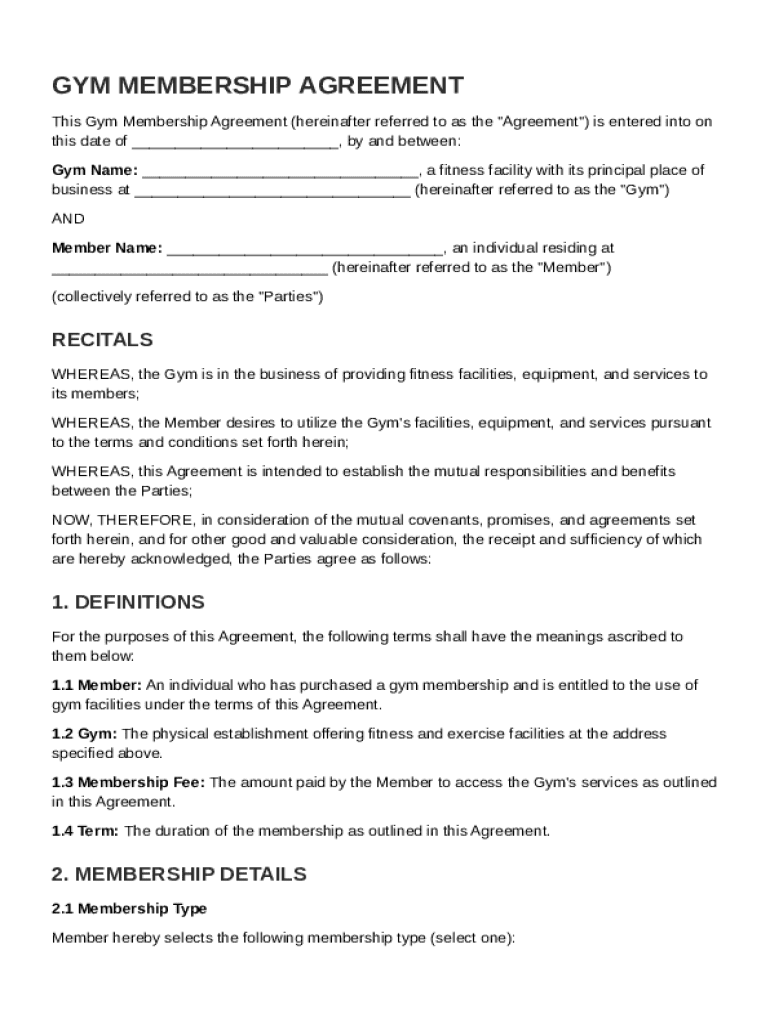
Locked In and Paying Up: How to Legally Exit a UK Gym Membership That No Longer Works for You

Locked In and Paying Up: How to Legally Exit a UK Gym Membership That No Longer Works for You

British gym chains routinely embed automatic renewal clauses, opaque cancellation procedures, and minimum term obligations deep within membership contracts, leaving consumers financially committed to facilities they stopped using months ago. The Consumer Rights Act 2015 and FCA regulations provide stronger protections than most members realise. This guide explains exactly how to use them.

Voluntary in Name Only: What State Schools Can and Cannot Legally Charge UK Parents

Voluntary in Name Only: What State Schools Can and Cannot Legally Charge UK Parents

Despite clear statutory guidance prohibiting state schools from compelling parents to fund activities during the school day, many institutions use guilt-laden language, opt-out shaming, and misleading payment requests to extract money that is technically voluntary. Understanding the Education Act 1996 gives parents the confidence to push back — and protect their children from the consequences of doing so.

Hidden Commissions, Trusted Advice: How Undisclosed Referral Fees Corrupt UK Professional Services

Hidden Commissions, Trusted Advice: How Undisclosed Referral Fees Corrupt UK Professional Services

When a solicitor recommends a surveyor, or a financial adviser suggests a specific mortgage product, the advice may carry a price tag you were never told about. Referral fees and commercial partnership arrangements are widespread across British professional services, and disclosure obligations vary dramatically by sector. This article explains where the risks lie, which professionals are legally required to tell you about financial arrangements, and how to protect yourself from advice that serve

Voluntary in Name Only: Decoding the School Trip Charges That State Schools Cannot Legally Demand

Voluntary in Name Only: Decoding the School Trip Charges That State Schools Cannot Legally Demand

The Department for Education is explicit: state schools in England cannot compel parents to pay for activities that take place during the school day. Yet across the country, families receive carefully worded letters that make 'voluntary contributions' feel anything but optional. This guide explains what schools can and cannot legally charge for, decodes the language used to obscure the distinction, and advises parents on how to push back without putting their child at a disadvantage.

Britain's Cash Apartheid: When Going Cashless Means Going Without

Britain's Cash Apartheid: When Going Cashless Means Going Without

As digital payments sweep across Britain, millions find themselves locked out of basic services and everyday transactions. The rapid shift away from physical money is creating a two-tier society where your ability to participate depends entirely on your access to digital banking.

Financial Harmony: Building Transparent Money Management Systems for UK Couples

Financial Harmony: Building Transparent Money Management Systems for UK Couples

Money conversations can make or break relationships, yet most UK couples navigate shared finances without clear frameworks. This comprehensive guide explores ethical approaches to splitting bills, managing joint savings, and protecting both partners' interests through transparent financial structures.

The British-Made Myth: When 'Buy Local' Isn't Actually the Ethical Choice

The British-Made Myth: When 'Buy Local' Isn't Actually the Ethical Choice

The 'Buy British' movement has captured the hearts of conscious consumers, but does purchasing UK-made products always represent the most ethical choice? Our investigation reveals some uncomfortable truths about supply chains, sustainability, and the complex reality of ethical consumption.